
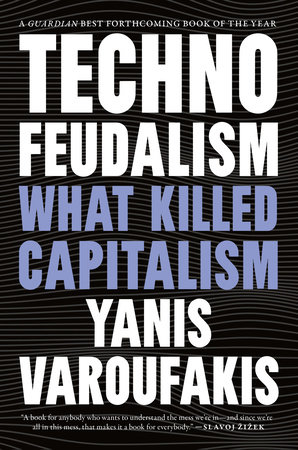
What has happened to capitalism? Beneath the surface of financial crises and the rise of digital platforms, the Greek economist Yanis Varoufakis identifies a structural shift. In “Technofeudalism: What Killed Capitalism” (2024), he argues that the market-based system has lost its centrality and has been replaced by technofeudalism.
The book emerges in the aftermath of the 2008 financial collapse. Central banks’ liquidity injections did not revive traditional capitalism; instead, they benefited big tech companies, which consolidated digital fiefdoms and the privatization of virtual space.
The core thesis argues that platforms such as “Amazon” and “Apple” replace market mechanisms with a system of digital rents. Users become producers of value through their activity, generating a continuous toll for access to services.
According to Varoufakis, this transformation is also geopolitical and social. Technofeudalism helps explain the new technological tension between the United States and China, as well as the growing difficulty democracies face in regulating platform power.
The work draws on popular culture to illustrate how this power shapes the mind and behavior. Far from being a natural evolution, it is presented as a historical regression, akin to traditional feudalism.
Finally, the book issues a call to action: becoming aware of the value of data is key to reclaiming digital sovereignty and advancing new forms of emancipation in the 21st century.